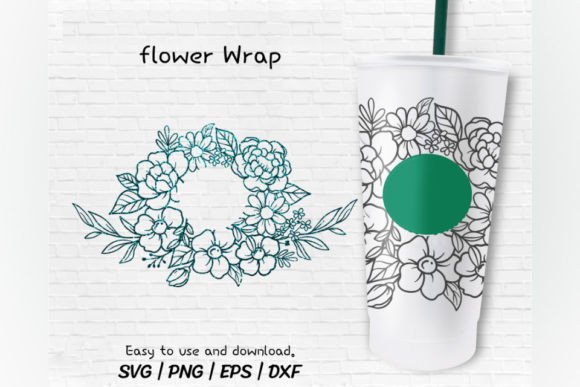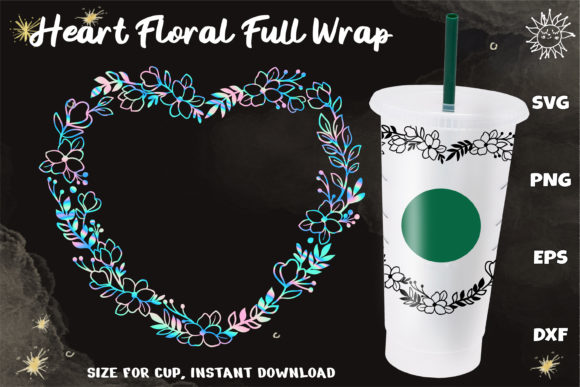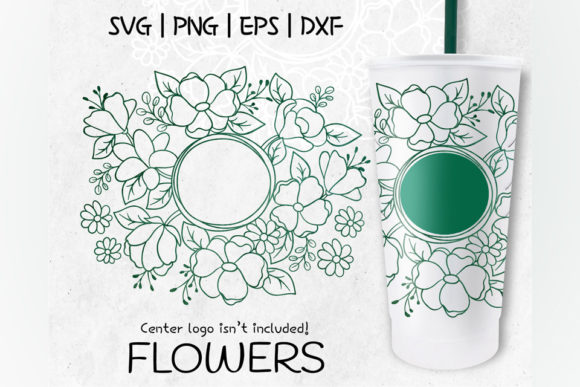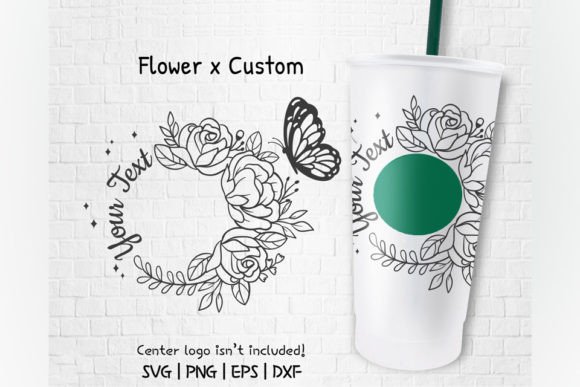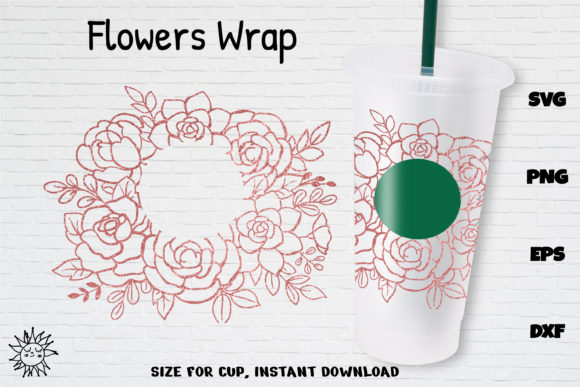
Floral Full Wrap Venti Cold Cup 24 Oz
Opening a new design file always feels a bit like unwrapping fabric. You study the lines, the balance, the rhythm of the shapes. With Floral Full Wrap Venti Cold Cup 24 Oz, the first thing that caught my eye was the wrap-around intention. This is not a scattered floral motif or a simple corner accent. It is a full-coverage botanical layout that reads like a continuous garden wrapping around the cup silhouette. The mood is soft, approachable, and quietly romantic without tipping into overly sweet territory. Bloom shapes feel organic, the petal density varies nicely, and the overall composition has a gentle flow that would suit everything from a Mother's Day gift to a bridal shower favor.
What I appreciate most at first glance is the restraint in the detailing. Many floral designs pile on too many elements, making the final product feel cluttered. Here, the negative space between blossoms and foliage gives the eye places to rest. That matters enormously when you start thinking about how this design translates to real projects. Whether you are planning a custom embroidered towel, a boutique sweatshirt, or a personalized tote bag, breathing room inside the design helps the stitching feel intentional rather than chaotic.
When a Cup Graphic Meets Embroidery Thinking
Now, let me address something upfront. This file is sold as a Cold Cup 24oz Venti for Cricut wrap, and the provided formats are SVG, PNG, DXF, and EPS inside a single ZIP file. It is a Graphics product in the Crafts category, not a digitized machine embroidery file. You will not receive a PES, DST, EXP, or any stitch-ready format. If you are an embroidery designer or a small shop owner hoping to load this directly onto your machine, you will need to digitize it yourself or work with a digitizer who can convert the artwork into a proper embroidery file with appropriate stitch types, densities, and pathing.
That said, a strong graphic can make an excellent embroidery design when the bones are good. And the bones here are quite solid. The wrap-around layout is inherently suited for cylindrical or rectangular embroidery placements. Think about a sweater sleeve, a tote bag side panel, a lumbar pillow cover, or even a wide burp cloth. The elongated horizontal composition maps naturally to those surfaces. The floral shapes are defined enough to digitize cleanly, and the petal overlaps are not so intricate that they would turn into a muddy mess of stitches on textured fabric.
Imagining the Design on a Finished Product
Let me walk you through a real scenario. I was recently preparing a set of custom kitchen towels for a small boutique client who wanted something floral but not overly feminine, something that would feel at home in a modern farmhouse kitchen. I pulled up Floral Full Wrap Venti Cold Cup 24 Oz and started mentally placing it across a flour-sack towel. The horizontal wrap layout meant I could run the design along the lower band of the towel, leaving the upper portion clean for a monogram or a simple message. The visual weight felt balanced. The blooms would register clearly against oatmeal linen, and the leafy filler elements would soften the transition between the embroidery and the bare fabric.
In that context, the design made sense. It was not just a pretty picture. It had a practical shape that solved a layout problem. That is the kind of thinking I encourage when you evaluate any design asset, whether it is labeled for cups, paper, vinyl, or fabric. Ask yourself what the shape does, not just how it looks.
Fabric Choices and Stitch Behavior
If you plan to digitize this floral wrap for embroidery, fabric selection becomes a critical conversation. Smooth, medium-weight cottons and linen blends will carry the details well. The curved petal edges and the fine foliage lines will read clearly on a stable weave. On the other hand, I would avoid highly textured fabrics like thick terry cloth or loose-weave burlap unless you enlarge the design significantly and simplify the stitch structure. Towels with a low nap can work, but test a small section before committing to a full run.
Stretchy fabrics such as jersey or performance knit present another challenge. The wrap format is long and directional, which means it can distort easily if the fabric shifts during hooping. A sturdy cutaway stabilizer and a light touch with stitch density in the fill areas will help. I would also recommend reducing the overall stitch count in the foliage sections on stretch fabric, letting more of the fabric show through to maintain drape and comfort.
Where the Design Truly Shines
I see Floral Full Wrap Venti Cold Cup 24 Oz working especially well on flat or gently curved surfaces. A canvas tote bag is an obvious choice. The full-wrap nature of the artwork means you can run it across the entire width of the bag front, creating a high-end boutique look with minimal additional embellishment. Aprons are another strong candidate. Place the design along the bib or across the waist panel, and you instantly elevate a plain utility item into something that feels curated and intentional.
For small business owners and Etsy sellers, this kind of design creates a recognizable product signature. Customers start to associate that particular floral flow with your shop. Repeat buyers notice when you use the same design family across different product types, a matching tote and pouch set, a coordinated apron and tea towel duo, a pillow cover that echoes the same botanical language. Brand consistency builds trust, and trust builds sales.
Baby items deserve a special mention here. The soft, rounded petal shapes and the gentle composition feel naturally suited to nursery decor, burp cloths, crib sheets, and baby blankets. The design is detailed enough to feel special but not so dense that it stiffens the fabric uncomfortably against delicate skin. Light thread colors on a creamy cotton background would create a heirloom-quality impression that photographs beautifully for listings and social media.
Dark Fabrics, Small Hoops, and Tricky Placements
Not every surface is a friend to this design. On dark fabrics, the floral details can lose definition if the thread colors are not chosen carefully. I recommend testing the digitized version on navy, charcoal, and black swatches before launching a dark-fabric product line. Light pastel threads can look washed out or translucent against deep backgrounds. Sometimes switching to slightly bolder, more saturated thread tones, a dusty rose instead of a pale pink, a sage green instead of a mint, makes all the difference in legibility and contrast.
Small hoop sizes also require honest evaluation. The full-wrap layout is inherently wide. If your embroidery machine has a maximum hoop width of four inches, you will need to either scale the design down significantly, which risks losing detail, or split the design into sections and re-hoop carefully. Sectioning is doable but demands precise alignment, and the seam between sections must be nearly invisible for the wrap effect to read properly. For a beginner or intermediate embroiderer, I would suggest using this design on a machine with at least a five-by-seven or larger hoop to keep the process manageable and the results clean.
Curved surfaces like baseball caps or baby bonnets are another area where I would pause. The long, straight-ish layout of the floral wrap does not naturally follow the curve of a cap crown. You could adapt a portion of the design, a cluster of blooms isolated from the full wrap, to fit a cap front, but the full-wrap effect would be lost. Know the strength of the design and play to it rather than forcing it onto a surface that fights its shape.
Thread Colors, Stitch Types, and Digitizing Decisions
When you or your digitizer convert Floral Full Wrap Venti Cold Cup 24 Oz into an embroidery file, the stitch type decisions will make or break the finished product. The larger petals could be rendered in satin stitch for a smooth, slightly glossy finish that catches light beautifully. Fill stitch with a subtle pattern, perhaps a gentle curve or a light tatami underlay, works well for the broader leaf shapes. Running stitch accents can define the fine veins and the delicate stems without adding unnecessary bulk.
Stitch density is where I see many digitized versions of floral designs go wrong. Too dense, and the fabric puckers, the design feels stiff, and the thread costs climb. Too light, and the fabric shows through unevenly, especially on light-colored thread over dark fabric. A balanced approach with proper underlay, a light edge walk under the satin borders, and a moderate fill density of around four to five points in the open areas usually produces a professional result on cotton and linen substrates.
Thread color selection is a quiet art. I would pull a palette of three to four main bloom colors, two to three green tones for foliage, and one soft accent color for the smallest buds or center details. Too many colors can make the design feel busy. Too few can make it feel flat. The goal is depth without distraction, and the original artwork gives you a strong roadmap to follow.
Gifting, Selling, and Commercial Use
A design like this holds strong gift appeal. A single embroidered pillow cover featuring this floral wrap can become a wedding gift that feels personal without being overly customized. A set of tea towels with this design makes a thoughtful housewarming present. For craft fair sellers, products made with Floral Full Wrap Venti Cold Cup 24 Oz have that immediate visual appeal that stops a browsing customer mid-step. The florals are familiar enough to feel safe, but the wrap layout is distinctive enough to feel fresh.
Before you sell finished items, digitized embroidery files, or printed products using this artwork, confirm the licensing terms with the original seller. The product description mentions the file formats you receive, but it does not detail commercial use rights. Do not assume that purchasing the graphic file grants you permission to sell embroidered goods or to redistribute the digitized embroidery version. Reach out, ask clearly, and get confirmation in writing. This protects your business and respects the original designer's work.
Practical Steps Before Your First Stitch
Every experienced embroiderer knows that the design file is only half the story. The other half is preparation. Run a test stitch on the exact fabric you plan to use for your final products. Check how the thread colors interact with the fabric tone. Evaluate the stitch density on a sample that you can wash, dry, and inspect. A design that looks flawless fresh off the machine might reveal thread breaks, puckering, or color bleeding after a laundering cycle. Better to discover that on a test piece than on a customer order.
Review the design in grayscale before committing to thread colors. A black-and-white mockup strips away the distraction of color and reveals whether the tonal contrast is strong enough to hold the shapes together. If the design looks muddy in grayscale, consider adjusting the thread values or simplifying the color palette. Also compare how the embroidery reads from a distance of three to five feet, the typical viewing distance for a tote bag, a pillow on a couch, or a towel hanging on a rack.
Stabilizer choice is non-negotiable. For a design of this width, a quality cutaway stabilizer provides the long-term support that prevents distortion and keeps the wrap lines crisp. On lightweight fabrics, a water-soluble topper can prevent the stitches from sinking into the weave, especially on the satin-stitch petals. Do not skip these steps to save time. The difference between a professional product and a homemade-looking one often comes down to the stabilizer and the hooping technique.
Final Thoughts From the Worktable
After spending time with Floral Full Wrap Venti Cold Cup 24 Oz, I can say this is a design asset with genuine versatility. It arrives as a cup wrap graphic, but the visual language translates naturally into embroidery, fabric printing, and a range of handmade product applications. The horizontal flow, the balanced floral spacing, and the soft botanical personality make it a strong candidate for boutique merchandise, personalized gifts, and small shop inventory.
What I value most is that the design does not try to do everything. It knows what it is. A gentle, full-coverage floral wrap. And within that clarity, it leaves room for the maker to interpret, adapt, and create something that feels personal. That is the kind of design I reach for when I want the finished product to speak softly but leave a lasting impression.