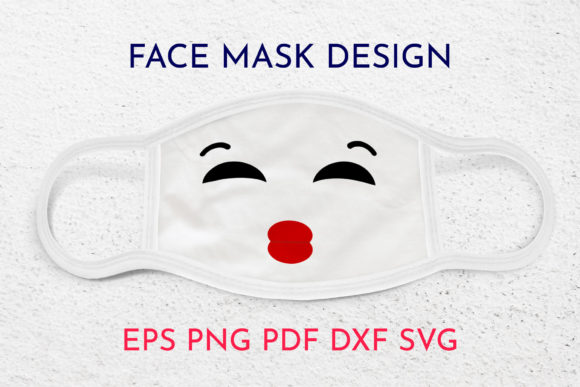
Embroidery Review: The Smile & Kiss Face Mask Design
When I see a new embroidery file like Face Mask Designs. Smile Face. Kiss. SVG come across my desk, my first thought isn't just about the file itself. It's about what it becomes when the needle starts moving. I think about the fabric, the thread, the final product sitting in someone’s hands. This particular design—a playful, smiling face with a kiss—isn't just a graphic. It’s a mood. It’s a personality waiting to be stitched into something real.
The Immediate Charm: A Design That Feels Friendly
The first impression here is one of lighthearted affection. The smiling face and kiss illustration isn't overly complex; it has a clean, welcoming simplicity. That’s a huge advantage for embroidery. Visually, it lands somewhere between a cute clipart and a solid, graphic icon. This personality makes it incredibly versatile. You immediately feel it could work on a child’s item, a romantic gift, or just a fun, everyday accessory. It doesn’t shout; it warmly invites.
For crafters and small business owners, this is a design that speaks to emotion without being overly specific. It’s not tied to a single holiday or event. That universality is a practical goldmine. Whether I’m imagining it on a custom embroidered tote bag for a boutique or a personalized pillow cover for a gift, the theme fits. The layout is centered and bold, which means it will command attention without requiring tiny, fussy details that can get lost in stitching.
Where This Design Finds Its Best Home
Let’s walk through a real scenario. I’m preparing a batch of embroidered sweatshirts for a small shop’s autumn launch. They want something cheerful and slightly whimsical. I load Face Mask Designs. Smile Face. Kiss. SVG into my software and start picturing it stitched. On a heavyweight sweatshirt fabric, the solid shapes of the face and kiss will hold up beautifully. The stitch density will need to be appropriate—not so dense that it stiffens the fabric, but solid enough to make those smiles pop.
This is where the design’s category as an Illustration really shines. It’s a graphic, not a photograph. That translates perfectly to satin stitches and clean fill areas. I’d confidently use it on:
- Tote bags and aprons for a crafty, handmade feel.
- Baby clothes and nursery decor, where the sweet theme aligns perfectly.
- Kitchen towels and pillow covers as a simple, cheerful accent.
- Caps and hats, though the curved surface requires careful stabilizer choice.
- Embroidered patches, where it becomes a standalone product.
Its description suggests use for mugs and cards—that’s true for the digital graphic, but for our embroidery purposes, we’re focused on fabric. The clarity of the design means it will also create excellent printable mockups for your Etsy listings or website, showing customers exactly what they’ll get.
A Note on Commercial Projects and Customer Appeal
For Etsy sellers and apparel decorators, using a design like this affects more than just the stitch. It affects product value and customer trust. A clean, well-executed embroidery of this friendly image looks professional. It doesn’t appear amateurish or overly generic. When a customer receives a tote bag with this embroidered on it, they see a complete, thoughtful handmade product. It feels intentional. That builds brand consistency if you offer a line of uplifting, personal items. It’s highly giftable—perfect for wedding party gifts, thank-you presents, or just a treat for someone needing a smile.
Careful Application: Where to Proceed with Caution
No design is perfect for every single application, and a practical review means pointing out where you might need to adjust. The kiss symbol and the smile details, while not microscopic, do have some enclosed areas and corners. Here’s where I’d be cautious:
- Very small hoop sizes on delicate items like handkerchiefs might compromise clarity.
- Textured fabrics like terry cloth or looped blankets can obscure the clean lines.
- Thin or stretchy fabrics require excellent stabilizer to prevent puckering.
- Dark fabric backgrounds demand high-contrast thread color choices to keep the design vibrant.
- On curved surfaces like caps, the design’s central placement is good, but you must ensure the file’s distortion is minimal.
The key is that the design isn’t overly detailed, so these challenges are manageable. They’re just factors to consider in your project planning.
Practical Designer Notes Before You Stitch
Before I’d ever run this on a final product, especially for a client project or commercial embroidery run, here’s my checklist. I recommend you adopt these habits too.
- Always test on scrap fabric first. Use the same material you plan for the final product. See how the fills behave.
- Check thread color contrast. Play with combinations. A bright pink for the kiss on a grey sweatshirt? Perfect. Yellow on white? Might need a rethink.
- Review the stitch density in your software. Ensure it’s not overly dense for lighter fabrics like t-shirts.
- Confirm your hoop size can accommodate the design with enough margin for stabilizer.
- Inspect the small details—the corners of the smile, the kiss shape—in your test stitch. Are they clean?
- Test it in black and white mockups to see how it reads without color, which helps gauge shape strength.
- Compare light and dark fabric backgrounds in your mind or with quick tests. This design should work on both, but thread choice is critical.
- Use the proper stabilizer. Cutaway for permanent items like bags, tear-away for apparel you want to remain flexible.
- Most importantly, confirm licensing. The product description doesn’t list specific terms. Before selling finished items or using it in digital product bundles, you must verify the license allows for commercial use of your embroidered products.
The Final Stitch: A Design That Adds Value
In the end, Face Mask Designs. Smile Face. Kiss. SVG stands out as a practical, cheerful asset for makers. It’s not just another file in a library. It’s a design that, when embroidered well, elevates a simple product into something with character. For creative entrepreneurs, it offers a way to quickly create products that feel personal and engaging without custom drawing. It fits into the workflow of a busy craft business, adaptable for holiday gifts, boutique merchandise, or everyday personalized items.
My final judgment, from the perspective of an embroidery designer who has to make files work in the real world, is positive. This design has the visual strength to stitch clearly, the emotional appeal to attract buyers, and the versatility to serve multiple product lines. Just remember the practical steps: test, check, confirm, and always stitch with intention.